Light vs. Medium vs. Dark Roast Coffee: Which Is Right for You?
If you are trying to choose between light vs medium vs dark roast coffee, the most useful question is not which roast is “best.” It is which one tastes best to you. Roast level changes how much of the coffee’s original character you taste, how much roasted flavor comes through, and how bright, balanced, or bold the cup feels.
The quick version: light roasts usually lean brighter, fruitier, and more floral; medium roasts tend to balance sweetness, acidity, and roast flavor; dark roasts push farther toward bittersweet, toasted, smoky, and deeply roasted notes. None is automatically stronger, better, or more caffeinated simply because it is darker.
Light vs medium vs dark roast coffee at a glance
| What changes | Light roast | Medium roast | Dark roast |
|---|---|---|---|
| Typical flavor direction | Fruit, floral, citrus, tea-like | Caramel, nuts, chocolate, balanced sweetness | Bittersweet, toasted, smoky, dark chocolate |
| Perceived acidity | Usually higher | Moderate | Usually lower |
| Roast flavor | Low | Moderate | High |
| Bean surface | Usually dry | Usually dry | May become oily |
| Easy starting point for | Readers who like bright, distinctive flavors | Readers who want balance and familiarity | Readers who like bold, roasty flavors |
Those are useful tendencies, not rigid rules. Origin, processing, blend, roast profile, grind, water, and brewing method all affect the final cup. One roaster’s “medium” may also be another roaster’s “medium-light.”
What roast level actually means
Coffee starts as a dense green seed. Roasting drives off moisture and creates the aromas and flavors we associate with coffee. As the beans absorb heat, they expand, brown, and eventually make an audible popping sound called first crack. Roasting farther changes the balance between the bean’s original character and the flavors created by heat.
Research discussed by the UC Davis Coffee Center describes light roasts as generally more acidic with fruity and floral flavors, dark roasts as lower in perceived acidity with darker roast flavors, and medium roasts as sitting between them with a rounder profile. The Specialty Coffee Association likewise identifies roast degree as one of the strongest drivers of coffee flavor.
Light roast: more of the coffee’s original character
Light-roasted coffee spends less time developing deep roast flavors, so more of the coffee’s origin character can remain easy to notice. That is why light roasts are often described with words such as citrus, berry, stone fruit, jasmine, tea, or honey.
If your first reaction to a light roast is “this does not taste like the coffee I grew up with,” that may be exactly what the roaster intended. A light roast can taste surprisingly bright and complex, especially if you normally drink darker supermarket coffee.
- Choose light roast if you enjoy fruit, floral notes, brightness, and distinctive origin flavors.
- Try it black at least once before adding cream or sweetener so you can see what is actually there.
- Pour-over and drip methods can make its cleaner, brighter character especially easy to notice, though light roast can be brewed successfully many ways.
Medium roast: the middle ground for a reason
Medium roast is often the easiest place to begin because it keeps some origin character while adding more caramelized, nutty, chocolate, and toasted flavors. The acidity is usually less pronounced than in a light roast, while the roast character is less dominant than in a dark roast.
For many coffee drinkers, this is the “coffee tastes like coffee” zone: enough sweetness and body to feel familiar, but still enough character to tell one coffee from another.
- Choose medium roast if you want balance instead of an extreme in either direction.
- It is a forgiving choice for drip machines, pour-over, French press, and many everyday brewing routines.
- Look for descriptions such as caramel, cocoa, nuts, brown sugar, or balanced fruit.
Dark roast: when the roast becomes part of the flavor
Dark roasting takes the bean farther into roast-developed flavors. Fruit and floral notes tend to recede while deeper toasted, bittersweet, smoky, charred, or dark-chocolate notes become more prominent. Dark beans are also more likely to show oil on the surface.
That bold flavor is why dark roast often feels “stronger,” even when the caffeine difference is small. What you are noticing is usually flavor intensity, bitterness, and roast character rather than a dramatically larger dose of caffeine.
- Choose dark roast if you enjoy bold, roasty, bittersweet, smoky, or dark-chocolate flavors.
- Dark roast can stand up well to milk, cream, syrups, and other additions.
- If a dark roast tastes harsh or burnt to you, try a medium roast before deciding you do not like coffee.
Which roast has the most caffeine?
This is where coffee folklore gets messy. Dark roast does not automatically contain more caffeine because it tastes stronger, and light roast does not automatically deliver a dramatically bigger jolt.
Roasting changes bean density and moisture. If you measure coffee by scoops, light and dark beans can behave differently because a scoop contains a different amount of coffee by weight. If you measure by weight, the caffeine difference between roast levels is generally much smaller than people expect. Bean variety, dose, grind, and brewing method can matter just as much or more.
So if caffeine is your main concern, do not pick a roast based on color alone. Pay attention to how much coffee you actually use and how you brew it.
Does dark roast have more body?
Often, but not always. Dark roast can taste heavier because its roast flavors are intense, yet sensory research from the Specialty Coffee Association suggests body does not simply increase in a straight line as coffee gets darker. Roast development, the coffee itself, and the brewing method all matter.
That is useful because it keeps us from turning roast labels into rules. A medium roast brewed in a French press can feel fuller than a dark roast brewed through a paper filter.
Which roast should you choose?
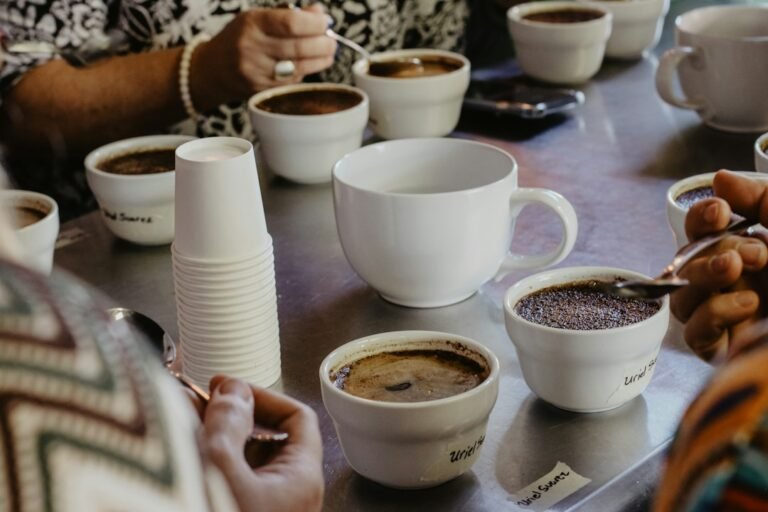
If you are new to coffee, skip the hunt for the “correct” roast. Run a simple three-cup experiment instead.
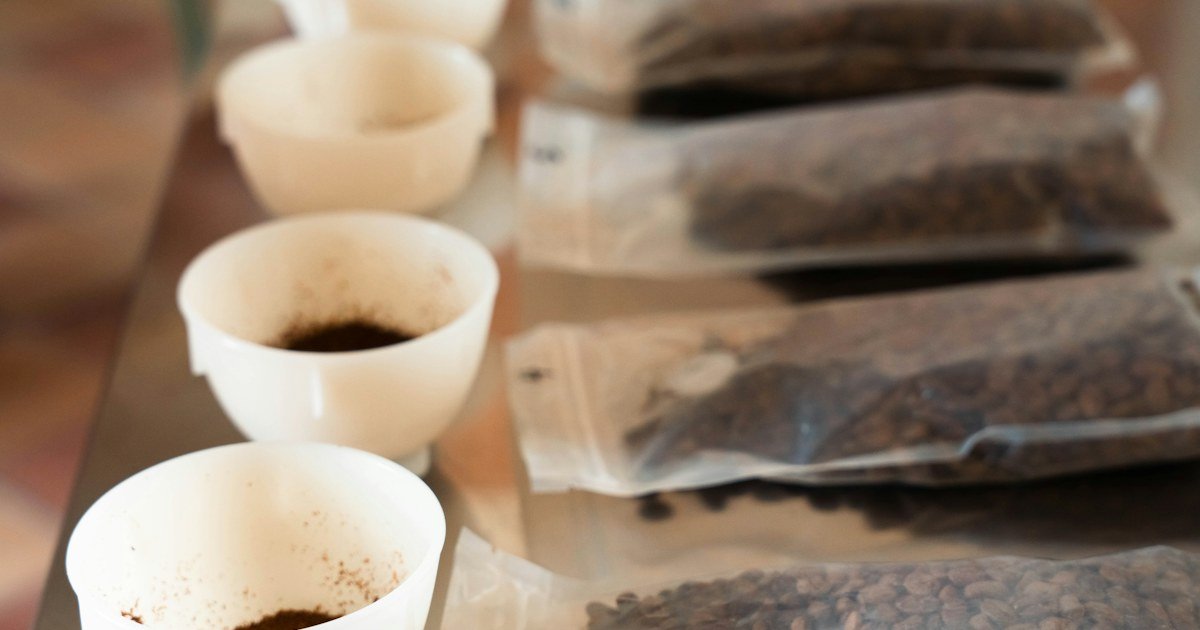
- Buy or sample one light, one medium, and one dark roast.
- Brew them as similarly as you can.
- Taste each while hot, then again after it cools for a few minutes.
- Ignore fancy tasting vocabulary. Ask: Which smells best? Which tastes sweetest? Which feels best in your mouth? Which one would you actually want tomorrow morning?
- Write down the winner and one reason why. That is enough to start building your own coffee preferences.
Our beginner coffee-tasting guide walks through aroma, sweetness, acidity, body, finish, and flavor notes without making the process feel like an exam.
The Hardcover Coffee Club rule
Drink the roast you look forward to drinking.
If that is a bright light roast with berry notes, great. If it is a balanced medium roast with chocolate and caramel, great. If it is a dark, smoky cup with cream, also great. Coffee knowledge should make your mornings better, not give you a new set of rules to obey.
For more beginner-friendly coffee guidance, visit The Roastery. And when you want to make the cup part of the reading experience, explore why coffee and books belong together.
When you are ready to try a roast for yourself, you can also visit Hardcover Coffee and choose by the flavors that sound good to you.